
Glaucoma: Medical and Surgical Treatment
In Baldwin Park and the San Gabriel Valley
Home / Glaucoma
Early detection and personalized treatment, from drops and laser to the latest minimally invasive surgery, to protect your sight for life.

Protecting the sight you have
Glaucoma is a chronic, progressive disease of the optic nerve. Over 3 million Americans are affected, and there is no known cure yet. An estimated 50% of cases are undetected, and because there are rarely early symptoms, it is one of the leading causes of irreversible blindness worldwide.
A core mission of our eye physicians is early detection and early treatment of glaucoma, with the goal of preventing uncontrolled glaucoma and blindness.

Damage from glaucoma is permanent
Once glaucoma damages the optic nerve, that damage cannot be reversed, just like other nerve injuries. The mainstay of glaucoma care is early diagnosis and treatment to lower the lifetime risk of progression.
Because glaucoma progression is related to eye pressure, current treatments are aimed at lowering eye pressure. More facts about glaucoma can be found at the Glaucoma Research Foundation.
A treatment plan tailored to you
What makes us unique is our wide breadth of expertise in the latest glaucoma treatments, so we can tailor your care and overcome this lifelong disease.
Eye drops
Prescription drops, used one to three times a day, to control eye pressure.
Laser treatment
In office laser can be an excellent first line option if you want fewer drops, have arthritis or tremors that make drops hard, or prefer a medication free life. Other lasers can treat and prevent angle closure glaucoma attacks.
Minimally invasive glaucoma surgery
The latest generation of glaucoma surgery, with high effectiveness and a high safety profile. MIGS can be done on its own or with cataract surgery. Learn about MIGS.
Traditional glaucoma surgery
Proven surgery used for decades for advanced or stubborn glaucoma, when less invasive options are not enough.
Our surgical armamentarium in the fight against glaucoma
Dr. Ngai uses a wide range of the newest implants, devices and lasers, so your plan fits your eyes and your stage of glaucoma.

XEN Gel Stent
A tiny gel stent that creates a new drainage path for fluid to lower eye pressure.
Learn more
OMNI Surgical System
Opens and treats the eye’s natural drainage canal in one procedure, often with cataract surgery.
Learn more
Iantrek AlloFlo
A bio interventional approach that reinforces a new outflow pathway inside the eye.
Learn more
Durysta Intracameral Implant
A tiny dissolvable implant that releases glaucoma medicine inside the eye, which can reduce daily drops.
Learn more
VIA360 Surgical System
Dilates and treats the eye’s natural drainage canal through a tiny incision.
Learn more
Hydrus Microstent
A tiny scaffold placed in the drainage canal, usually with cataract surgery.
Learn more
iStent Inject W Microstent
Two of the smallest implants in medicine, placed to improve natural drainage during cataract surgery.
Learn more
MANI Trabeculotomy
A precise micro instrument used to open the drainage tissue from inside the eye.
Learn more
iStent Infinite
Three tiny stents that improve drainage, and can be done without cataract surgery.
Learn more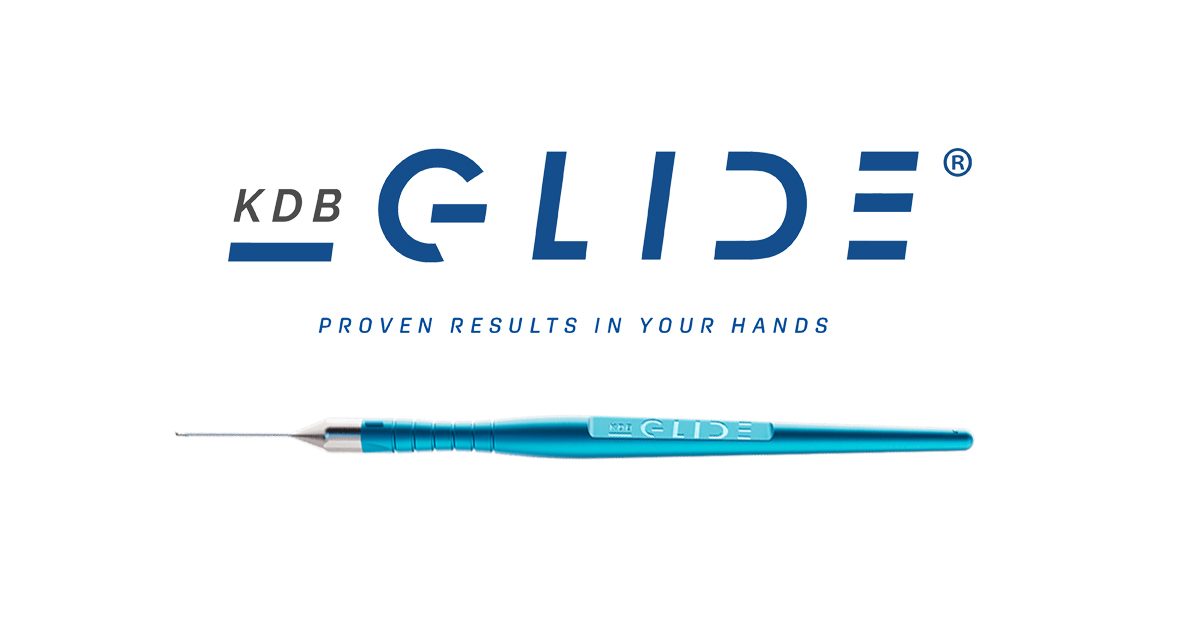
iDose TR Implant
A tiny titanium implant that releases glaucoma medicine continuously for months.
Learn more
Micropulse Cyclophotocoagulation
A gentle laser that reduces fluid production to lower eye pressure.
Learn more

Who is at higher risk?
- Age over 60
- A family history of glaucoma
- African, Hispanic or Asian ancestry
- High eye pressure or thin corneas
- High nearsightedness, diabetes or long term steroid use
How we check for glaucoma
Glaucoma testing is painless. We measure your eye pressure and corneal thickness, examine the optic nerve, and use OCT imaging and visual field testing to track changes over time.
- Eye pressure and corneal thickness
- Optic nerve exam and OCT imaging
- Visual field testing
Take the next step. It’s easy.
Related care to consider
Glaucoma FAQs
Does glaucoma have symptoms?
The most common type, open angle glaucoma, usually has no early symptoms. Side vision is lost first and slowly, so many people do not notice until damage is advanced. Regular exams are the only way to catch it early.
Can glaucoma be cured?
Not yet. Treatment lowers eye pressure to slow or stop further damage, but vision already lost cannot be restored. That is why early detection matters.
Is laser treatment for glaucoma painful?
Laser is done in the office with numbing drops and takes only a few minutes. Most people feel little or no discomfort and return to normal activities soon after.
Can glaucoma surgery be done with cataract surgery?
Yes. Many MIGS procedures are performed at the same time as cataract surgery, treating both conditions in one visit to the operating room.
How often will I need checkups?
Most people with glaucoma are seen every three to six months, depending on how stable the eye pressure and optic nerve are.
Will I need eye drops forever?
Not always. Laser treatment, sustained release implants and MIGS can reduce or sometimes eliminate the need for daily drops. We review the options that fit your eyes.
Protect the sight you have
Call, text or request a glaucoma evaluation online. We verify your insurance before your visit.
3000 Big Dalton Ave, Baldwin Park, CA 91706 · Monday to Friday, 8am to 5pm, and some Saturdays